
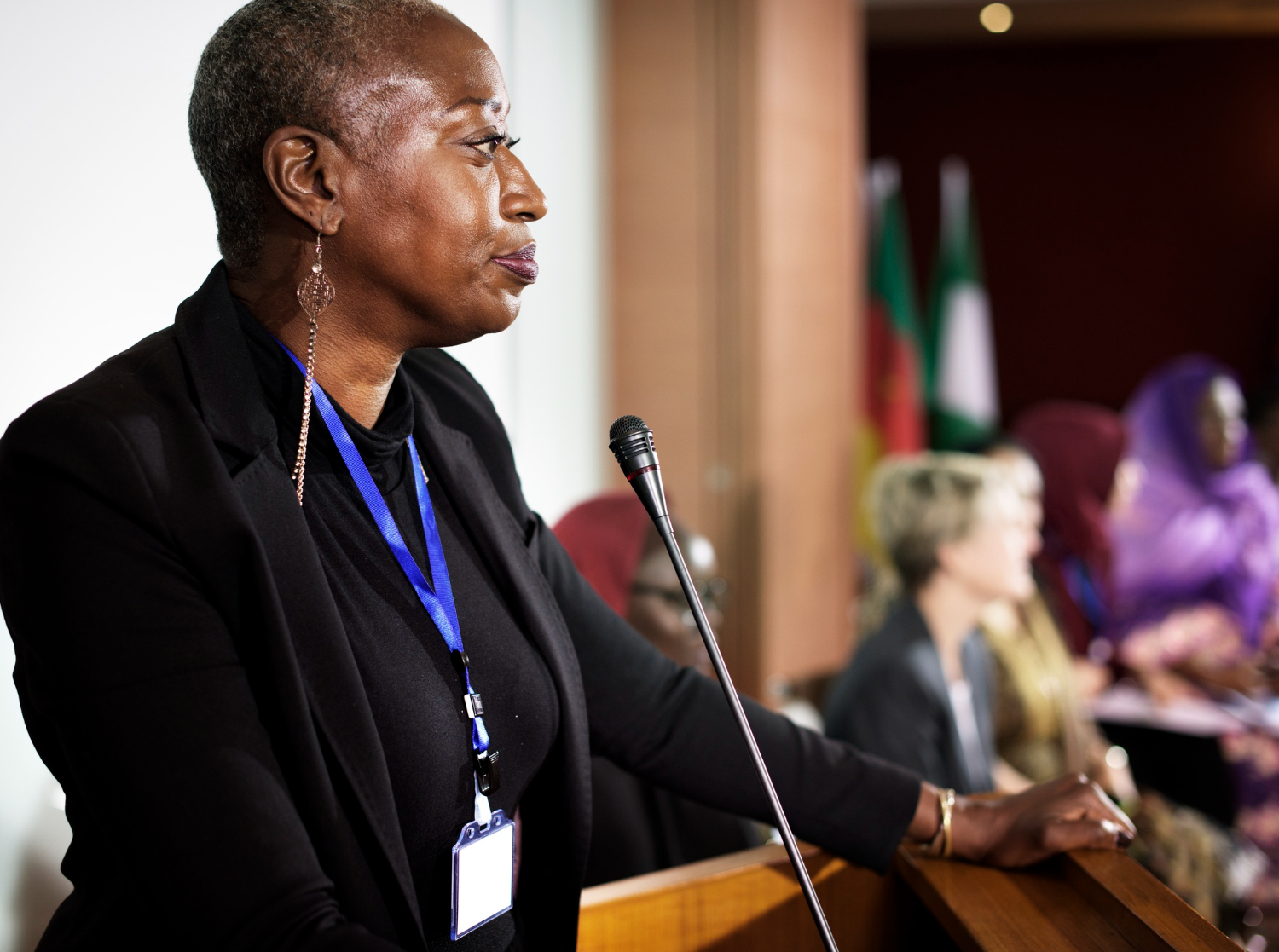
A great panel feels natural—like you’re watching smart people think out loud together. But that “natural” flow usually comes from a moderator who plans well, listens actively, and keeps the conversation moving without making it feel controlled.
If you’re moderating a panel for a conference, webinar, community event, or internal meeting, here’s a clear playbook to run a panel that’s engaging, balanced, and actually useful to the audience.
What the moderator’s job really is
Your job isn’t to be the star. Your job is to:
- set the tone
- guide the arc of the conversation
- give every panelist room to contribute
- protect the audience’s time
- make the discussion understandable and actionable
In short: you’re the director, not the main character.
1) Start with a strong “why” and a simple theme
Before you write questions, clarify:
- What is the panel about (in one sentence)?
- What should the audience walk away knowing?
- Who is the audience (beginners, experts, decision-makers)?
A tight theme makes your questions sharper and prevents the panel from turning into a vague “thought leadership” loop.
2) Pick panelists who create contrast—not clones
The best panels include meaningful differences:
- different roles (operator, strategist, practitioner, researcher)
- different industries or company sizes
- different viewpoints or methods
- different lived experiences
If everyone agrees on everything, the panel becomes a set of parallel monologues.
3) Do a short pre-panel call (it’s non-negotiable)
A 15–30 minute prep call prevents 80% of panel problems.
Use it to:
- align on the panel theme and the biggest questions
- confirm panelist bios and pronunciation
- clarify what topics are off-limits or sensitive
- set expectations for timing and tone
- identify one or two great stories each panelist can share
Also ask: “What’s one thing you don’t want to be asked?”
That question reduces surprises and helps you keep trust.
4) Build a question plan with a beginning, middle, and end
A panel should have an arc. Think like a storyteller:
Opening: establish relevance
Warm-up questions that invite quick, human answers:
- “What’s changed most in the last year?”
- “What’s a myth people believe about this topic?”
- “What’s one mistake you see constantly?”
Middle: the deep value
This is where you spend most of your time:
- trade-offs and decision-making
- real examples and case studies
- “how” and “why,” not just “what”
Closing: action and perspective
End with something usable:
- “What should people do next week?”
- “What would you tell your past self?”
- “What trend should we watch?”
Tip: Plan more questions than you need, but keep them short and flexible.
5) Ask better questions by making them specific
Weak question: “What do you think about leadership?”
Stronger question: “When you have to make a high-stakes decision with limited data, what’s your process?”
Your goal is to trigger:
- stories
- examples
- frameworks
- disagreements (respectful ones)
- practical takeaways
6) Control time without sounding controlling
Panel pacing matters more than brilliance.
Use subtle tools:
- redirect: “That’s helpful—let’s connect it to…”
- invite contrast: “Does anyone see it differently?”
- cut kindly: “I want to pause you there so we can hear from others.”
- summarize: “So what I’m hearing is…”
If one panelist dominates, intervene early—politely but decisively.
7) Get panelists talking to each other, not just to you
A panel becomes electric when panelists engage with each other.
Try prompts like:
- “Do you agree with that?”
- “What’s the counterargument?”
- “Can you build on that with an example?”
- “Who has a different experience?”
You’re not collecting four separate answers—you’re facilitating a conversation.
8) Make audience Q&A actually work
Audience Q&A can be the best part—or a slow derail.
Set rules upfront:
- keep questions brief
- one question at a time (no speeches)
- define whether the panel will take questions throughout or only at the end
To improve quality, you can:
- repeat or rephrase the question so everyone hears it
- combine duplicates (“We’ve got a few questions asking the same thing…”)
- redirect overly personal or off-topic questions back to the theme
If the event format allows, curated written questions often create smoother Q&A than open-floor microphones.
9) Prepare for “awkward moments” in advance
Have a plan for:
- panelists disagreeing too sharply
- a panelist going off-topic
- a question that’s inappropriate or too sensitive
- technical issues (mics, time, virtual lag)
Your best tool is calm tone + quick redirection:
“Let’s zoom out for a second…” or “That’s important, but we’re going to keep this focused on…”
10) Nail the opening and closing (because they define the memory)
Your opening should include:
- quick welcome + your name
- panel theme in one sentence
- what the audience will get from this
- a fast introduction of panelists (one line each—keep it moving)
Your closing should include:
- 2–3 key takeaways you heard
- thanks to panelists and audience
- where to go next (next session, resource, contact, etc.)
People remember the start and the end more than the middle—make them clean.
A simple moderator template you can reuse
0:00–2:00 Welcome, theme, expectations
2:00–6:00 Panelist intros (fast + relevant)
6:00–30:00 Guided discussion (core questions)
30:00–40:00 Audience Q&A
40:00–45:00 Lightning round + closing takeaways